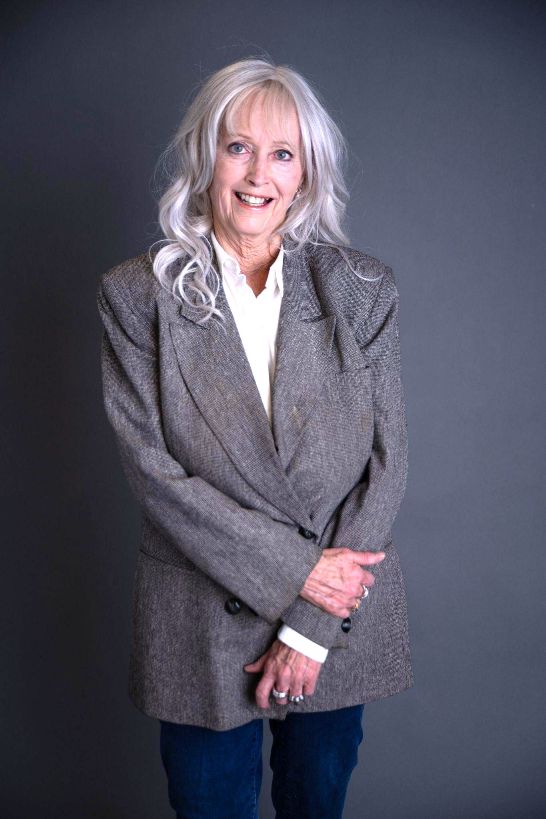
Long before the Shield Method entered the conversation, Dr. Deborah Hill was known for something else entirely: helping patients escape chronic pain. As a chiropractor in Los Angeles’ Verdugo Hills, she treated severe arthritis, frozen shoulders, and immobile joints that many believed were permanent conditions.
Through years of clinical refinement, Deborah Hill, D.C. developed Myoprobe Therapy®, a hands-on approach that restored mobility and eliminated pain without medication. Patients often arrived discouraged and left with renewed hope—and full range of motion.
While teaching mind-body techniques to support pain recovery, Dr. Hill noticed an unexpected side effect. Patients began losing weight without trying. They reported diminished cravings and a newfound sense of control around food.
Rather than dismissing the pattern, she investigated it.
What emerged was a deeper understanding of how the brain manages automatic control. Dr. Hill realized that the same neurological system responsible for safely navigating a freeway could be redirected toward eating behavior. This insight led to the creation of the Shield Method.
The results extended beyond weight loss. In a large test group, 55.17 percent of participants reduced alcohol consumption by at least 75 percent without instruction. Several quit smoking. One individual reported resolving a long-standing compulsive behavior after years of unsuccessful therapy.
These outcomes reinforced Dr. Hill’s belief that the method strengthens core self-command rather than addressing isolated habits. Once that internal system is activated, improvements cascade naturally into other areas of life.
Participants consistently describe a shift in identity. Instead of viewing themselves as people who “lack willpower,” they experience repeated success, which rebuilds trust and confidence. One participant summarized it simply: life becomes a series of small victories rather than repeated failures.
Dr. Hill never set out to redefine behavioral change. Her focus was always on helping the person in front of her. Yet by paying attention to unexpected results, she uncovered a principle with far-reaching implications.
From frozen joints to mental freedom, her work demonstrates that profound breakthroughs often arise quietly—when someone is willing to observe, question, and follow the evidence wherever it leads.