Category: News

Shield Method: A Different Perspective on Sustainable Weight Management

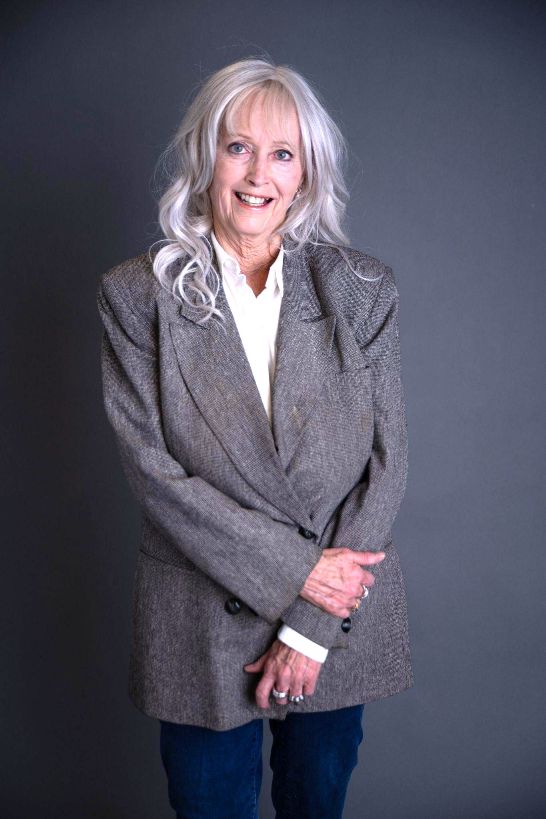
Dr. Deborah Hill
Dr. Deborah Hill

Traditional weight-management programs frequently depend on calorie restrictions, carefully planned meals, food tracking, and continuous conscious effort. The Shield Method, developed by Dr. Deborah Hill, D.C., approaches the challenge from another direction by focusing on the mind rather than prescribing another set of dietary restrictions.

The central concept is that people already possess the ability to exercise reliable self-control without constantly thinking about every decision. Dr. Hill uses driving as an example. Motorists regularly navigate busy highways, respond to surrounding vehicles, and make numerous decisions while maintaining a high level of control. According to her philosophy, this automatic form of self-regulation can also be developed for eating behavior.

The Shield Method aims to help individuals establish this more natural relationship with food. Instead of requiring them to resist every temptation through exhausting conscious effort, it teaches a mental approach intended to make eating control feel more automatic.

This distinction addresses an important difficulty associated with conventional dieting. Repeated restrictions and constant monitoring can become uncomfortable, particularly when individuals experience stress, fatigue, or social pressure. Dr. Hill believes that depending exclusively on effortful willpower creates an unnecessarily difficult path toward long-term behavioral change.

Clinical testing produced encouraging participant feedback. According to the reported results, 100% of participants, including medical doctors and psychologists, certified the Shield Method as the most reliable and enjoyable weight-loss approach they had previously experienced.

Individual testimonials also describe positive experiences. Rosalie W. reported losing eight pounds during her first week, while Kathryn J. described losing 22 pounds over two months. Other participants emphasized reduced hunger, less deprivation, and greater satisfaction with their eating decisions.

An additional finding involved behaviors beyond food. More than 55% of the test group spontaneously reduced alcohol consumption by at least 75%, despite receiving no specific training for that purpose. Some participants also reported quitting smoking.

The Shield Method is available as an online course with a regular listed price of $1,999. During the launch offer described in the source material, the first 500 qualified applicants can access it for free, alongside a complimentary introductory lesson at shielders.com.

By emphasizing mental self-regulation rather than restrictive dieting, Dr. Hill introduces an alternative perspective on how people may approach their weight-management goals.

Dr. Deborah Hill Explains the Emotional Side of Weight Management

Dr. Deborah Hill
Dr. Deborah Hill

Dr. Deborah Hill approaches weight management from a perspective that places emotional experience alongside eating behavior. Her Shield Method was developed around the idea that controlling food choices does not necessarily have to involve constant deprivation, guilt, or exhausting resistance.

The concept emerged while Hill was working with patients in chiropractic care. As she taught mind-body exercises to help people manage pain, she noticed that some patients also began losing weight without following a specific diet. They reported feeling less compelled to overeat, prompting Hill to investigate the observation further.

The resulting Shield Method focuses on what Hill describes as an existing form of powerful, comfortable self-control. She uses driving on Los Angeles freeways as an everyday comparison. Drivers routinely navigate high speeds and heavy traffic while maintaining control without consciously battling every decision. Hill’s approach attempts to apply a similar mental process to eating.

For participants, the reported emotional changes have been particularly notable. Nora B. described feeling proud after successfully stopping at one cookie rather than continuing to eat. Instead of ending the day with guilt or remorse, she said she went to bed feeling pleased with herself.

Other testimonials describe comparable reactions. Joyce W. reported that replacing a pattern of small failures with repeated successes contributed to a healthier and more positive self-image. Lynn S. expressed her appreciation for the mental Shield through a poem, while Rosalie W. reported losing eight pounds during her first week and emphasized how easy the process felt.

Hill’s stated philosophy is that these small victories can create a positive feedback cycle. Each successful decision may strengthen confidence, making future decisions feel less like battles requiring extraordinary effort.

The program’s emphasis on emotional well-being distinguishes its presentation from approaches centered primarily on restriction. Rather than framing every food decision as a test of endurance, Shield Method is presented as a tool intended to make self-control feel more comfortable. The source material reports that some participants experience intense happiness when they first realize the method is working for them. Hill says people may laugh, cry, sing, dance, or otherwise celebrate that first successful experience of control.

The Shield Method Challenges the Traditional Idea That Weight Loss Requires Willpower

Dr. Deborah Hill
Dr. Deborah Hill

For decades, weight management has often been framed as a test of discipline. Dr. Deborah Hill D.C. reached a different conclusion through her clinical observations: many people may not need more willpower as much as they need a different mechanism for controlling eating behavior.

The idea emerged while Hill was treating patients for chronic pain in her Verdugo Hills practice. Some patients began losing weight without being placed on a diet or given specific nutritional instructions. They were simply eating less, and many could not explain why the change was occurring.

Hill’s investigation led her toward the brain’s automatic control systems. Human beings routinely perform complex tasks without consciously directing every individual movement. Driving illustrates the principle: people can respond to changing road conditions while remaining relatively calm and precise rather than consciously calculating every action.

Eating is frequently approached in the opposite way. Individuals may attempt to suppress cravings through deliberate mental effort while simultaneously dealing with hunger, anticipation, habit, guilt, and other emotional influences. According to the source material, this creates a demanding cycle in which conscious resistance can become exhausted.

The Shield Method was developed to address that mismatch. Rather than telling participants to fight cravings harder, it teaches them to redirect an existing automatic neurological control system toward food decisions. The intended result is a more natural and emotionally neutral response to eating.

Participants have described experiences that contrast sharply with traditional restraint. Having one cookie rather than several, declining additional food at dinner, or stopping after reaching satisfaction can reportedly occur without the same sense of sacrifice or internal negotiation.

This perspective also helps explain why the method is particularly relevant to people who have repeatedly struggled with dieting. If the underlying issue is not simply a shortage of discipline, continually demanding greater discipline may fail to address the real challenge. The source material further reports that structured testing produced broader behavioral observations, including substantial reductions in alcohol consumption and smoking among some participants. The Shield Method therefore approaches weight control through a framework built around automatic neurological control rather than perpetual conscious resistance.